Understand the Parts
Follow the sequence from keeping clean rooms apart through sewage removal, surface treatment, and moisture reduction.
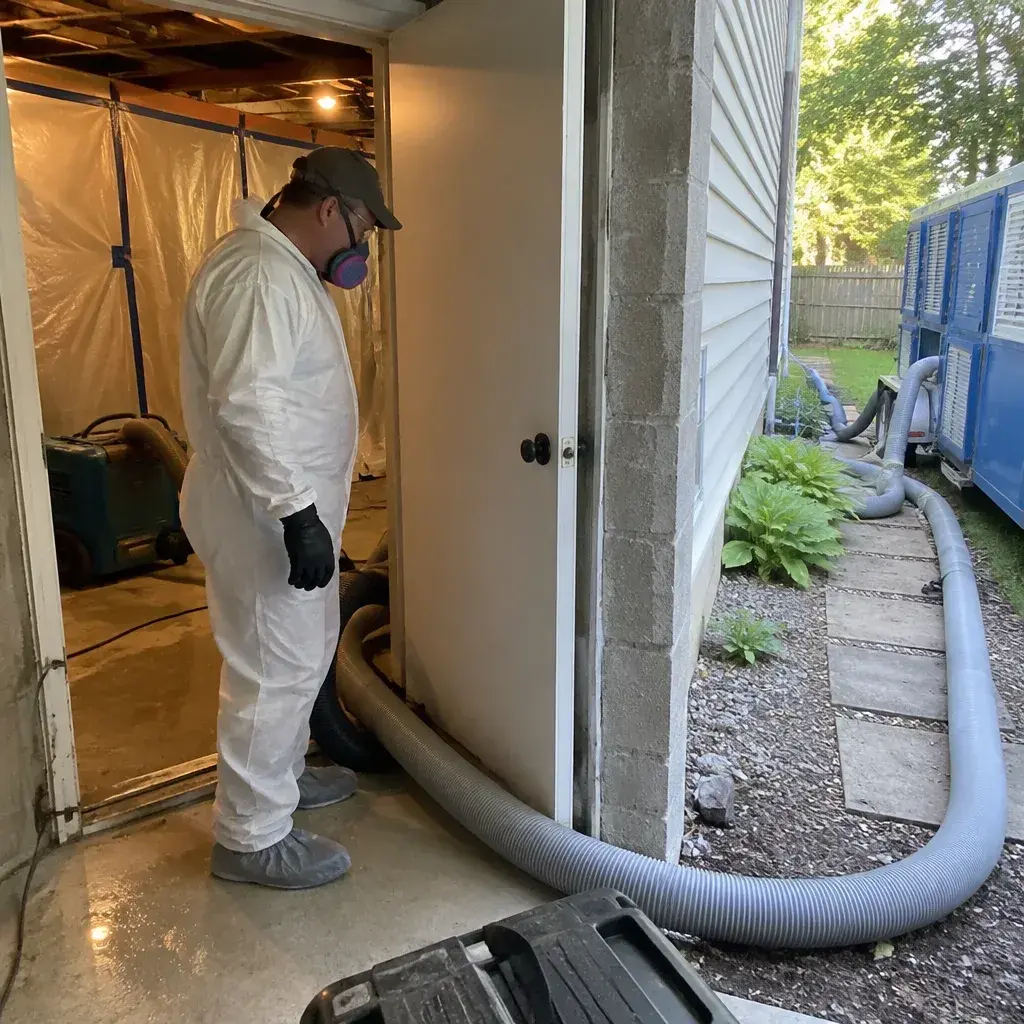
The first visible spill may not show every area that needs attention, so note other spots that appear affected. This Everett page is a referral point: it connects homeowners with independent local pros and employs nobody. When you reach out, describe the address and what you can see. Ask whether the pros serve that location, when they may be available, who will come, and whether the first visit carries a charge. The answers depend on the provider and the property.
A house near Silver Lake and a small shop near Forest Park can present very different cleanup decisions. The pros we connect you with can assess which rooms, belongings, and building materials were reached, then explain what they recommend for each. The order of removal, cleaning, and drying can shape how the proposed work is explained. Ask how the assessment separates those needs, so you can understand what the proposed work covers before deciding whether to proceed.
When you contact the referral line, give the Everett address and describe where the backup appeared, how far it spread, and whether floors, walls, or stored belongings were affected. Mention if water is still present and whether access to the area is clear. Keep any photos you have with your notes about where the backup appeared. Ask who will handle the visit, what information they need from you, and how they will explain the proposed scope.
Rain around Langus Riverfront Park or along the Snohomish River does not establish why sewage appeared at a particular Everett property. A damp floor, staining, or odor can help locate affected areas, but those signs do not identify the source. Describe when you noticed the problem and what changed in the building. If drains are still backing up, mention that when you describe what changed.
Before agreeing to cleanup in Everett, ask for an itemized scope that connects each charge to the work proposed. Ask how you will be told if the proposed work changes after cleanup begins. Request photos or records of the affected areas and work performed; these can help you document damage for an insurance claim, though your policy determines coverage. A clear breakdown makes it easier to compare the proposal with what you observed.
Before scheduling, confirm that the pros we connect you with cover your Everett address, who will do the work, and when they can attend. Ask how access, belongings, and any materials needing removal will be handled, and what drying steps are planned. Get the agreed scope and charges in writing, including any visit fee. Keep copies of photos, notes, and cleanup records for your files, and ask the provider what additional documentation they can supply.
Choose the guide for your concern, then review the rooms involved, the proposed tasks, and charges with the provider.
Follow the sequence from keeping clean rooms apart through sewage removal, surface treatment, and moisture reduction.
Consult the residential guide for entry precautions, decisions about affected materials, and points to settle before cleanup.
Ask the provider to explain unfamiliar terms used in the contamination review, work description, or structural drying instructions.
Record where wastewater surfaced, which belongings got wet, whether a smell lingers, and what remains damp.
Washington has no state-issued license for sewer-backup cleanup, and that says nothing about a company’s insurance. Everett’s backwater-device program applies to designated connections and owner maintenance; it is not a credential check for cleanup providers. Ask each company directly for its insurance details and any qualifications relevant to the work it proposes.
This website connects Everett homeowners with independent cleanup providers; it does not send its own staff to do the work. You describe the property and the situation, then the site can pass relevant request information to the pros we connect you with. A provider may follow up to learn more and discuss whether the job fits its service area. You can then decide whether to talk through cleanup options with that provider.
After you submit a request, the site may share the information needed for a connection with independent cleanup providers. One of the pros we connect you with may contact you to ask about the affected rooms, materials, or current conditions. That conversation helps them understand the situation and explain possible next steps. Sending a request does not establish the cause of the backup or determine which utility is responsible for the sewer connection.
A cleanup estimate may not include diagnosing or repairing the sewer line. In Everett, that work may require a plumber, so ask whether the estimate covers only cleanup inside the structure or also includes plumbing. Get the cost for each part directly from the provider doing that work, and confirm what you would owe before agreeing to either service.
Details you submit help route your request and may be passed to the pros we connect you with so they can respond. In Everett, include the property address if possible; a nearby reference such as Lighthouse Park, Japanese Gulch, or Big Gulch Park can help describe the location. The point where the sewer line leaves the property can help separate the home side from the public side.
When you call about an Everett property, describe where sewage surfaced, how far it appears to have spread, and what materials it touched. A damp smell can point to wet materials that are not obvious at first glance. Ask the pros we connect you with when they can visit, whether the assessment has a charge, and what written details they provide. The scope should explain removal, cleaning, disinfection, and drying. What warranty terms, if any, apply to the work, and which steps would be billed separately?
Call (425) 548-1770