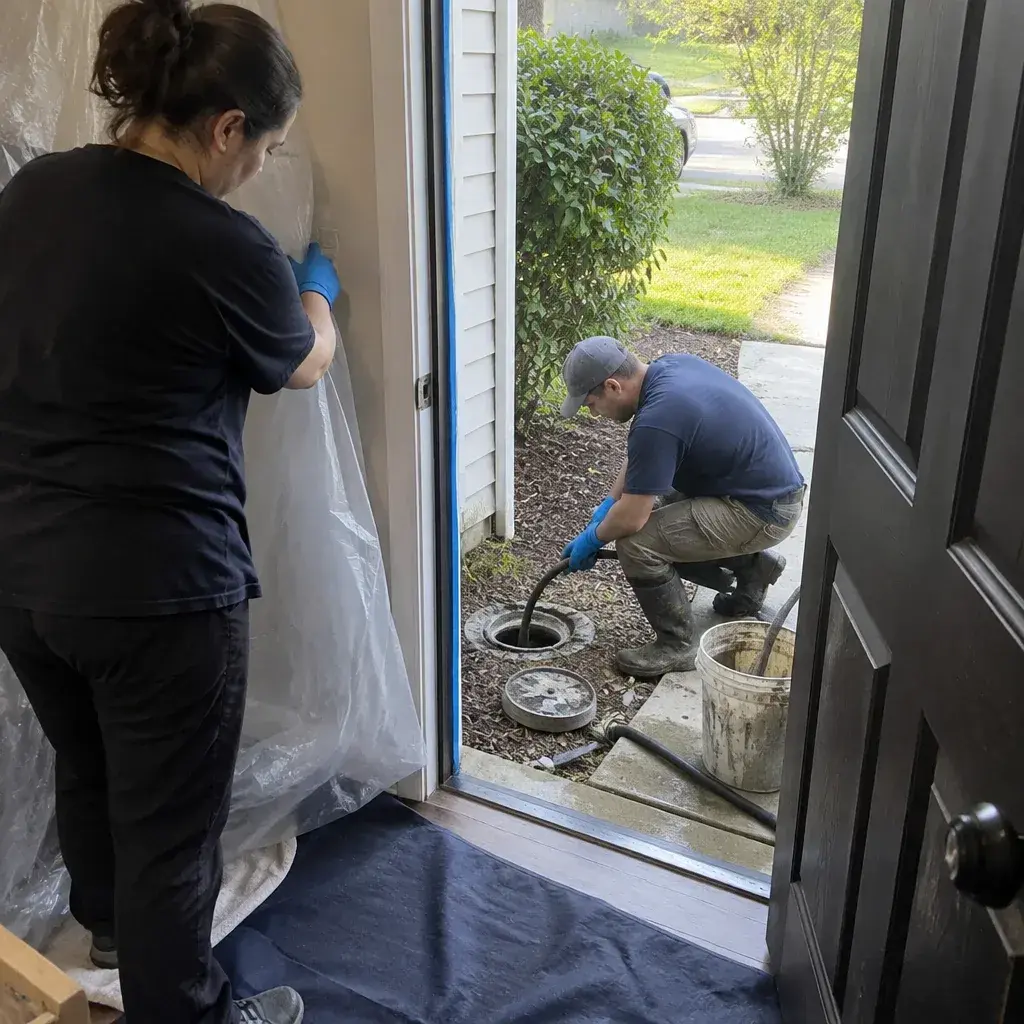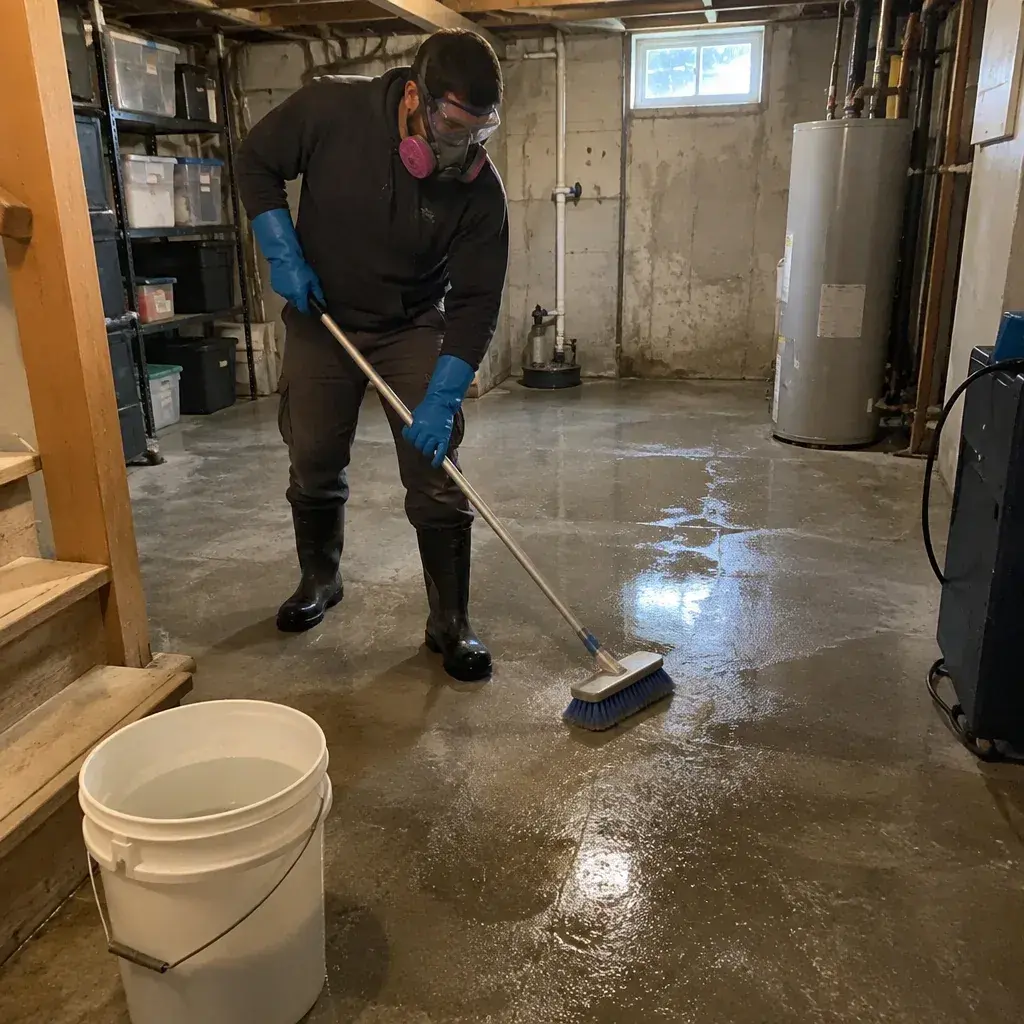
Confirm Cleanup Is Complete
☐ Wait for the cleanup provider to say the work is finished before returning to an affected area in Everett. Sewage removal alone does not complete the job: contaminated material may need to come out, and remaining surfaces need cleaning and disinfection. The structure also needs drying. A date on the calendar cannot confirm those steps are done. Ask what work remains and whether the inspection found any open issues. Return only when the provider can explain why the area is ready for use.
☐ Check that the provider’s inspection covered the places sewage reached, including concealed or less visible surfaces identified during the work. A home near Heritage Park and a small shop near Lynndale Park may have different affected spaces; the inspection should match the actual property. Ask what was examined and whether any part still needs cleaning, disinfection, or drying. Sewage cleanup reentry depends on the completed work and the condition of the affected area, not on a general assurance that the visit is over.
Walk Through the Affected Spaces
☐ Walk through the affected space with the provider before resuming normal use. Have them point out the areas treated and explain how contaminated materials were handled. In an Everett home, this can help you compare the work with the rooms you saw affected. For a small commercial space near Scriber Creek, check the work against the areas staff or customers will use. If a spot is unclear, ask about it before the walkthrough ends.
☐ Get a written record of the work and inspection. It should identify the areas addressed, materials removed, cleaning and disinfection completed, and any follow-up still pending. Keep it with your property records; photos and notes can also help document damage. If you are arranging return for an Everett household or business, use the record to share clear instructions with anyone who needs access. Make sure it says which spaces are ready and which need more work.
Verify Drying Before Use
☐ Confirm that drying is complete where building materials were affected. Sewage can be removed while moisture remains in parts of the structure, so ask what areas were checked for dampness and what findings show they are ready. This matters around flooring edges, lower walls, and other materials the cleanup identified. An Everett property should not be put back into regular use based only on a dry-looking surface; have the provider explain the drying status for the materials involved.
☐ If you notice new dampness or a musty odor after returning, stop using that spot and contact the provider for a follow-up review. Give its precise location and describe what changed. In an Everett home, a damp patch at a wall base may point to a concern that needs assessment; the smell alone does not identify the cause. Ask what was checked and whether more drying or other work is needed before using that area again.
Check Each Area’s Readiness
☐ Confirm readiness room by room. One area may be ready while another still needs attention, so ask the provider to identify each space that can be used and any boundaries that remain. This makes the return plan clear for an Everett household, especially when people share rooms or belongings. For a small business, confirm which work areas can reopen and whether any space remains off limits. Follow the provider’s directions for each area.
☐ Before you resume normal use, ask three things: what work is complete, which affected areas were addressed, and what inspection findings support reentry? If the answers leave a space uncertain, keep that area unused and request clarification from the provider. For Everett residents, the pros we connect you with can explain the cleanup record and any follow-up still needed. Make your return after the status of the specific area is clear.
Dealing with a sewer backup in your home?
Cleanup cost in Everett depends on how far sewage traveled, what materials it reached, and which surfaces need cleaning, disinfection, or removal. Affected walls may require more work than a hard floor, and damp building materials need drying. From North Creek and Mill Creek to Scriber Lake Park, keep people and pets away and inspect only from a safe spot. Ask the pros we connect you with about cleanup scope, coverage, availability, timing, and visit charges. A plumber should diagnose and repair the backup source.