What Sets the Schedule
Professional sewage cleanup time has no reliable preset: in Everett, the schedule follows the work found inside the building, and drying can outlast visible removal. A contained bathroom backup may move through assessment, extraction, cleaning, and disinfection in a compact sequence; contamination across rooms or in absorbent materials adds removal and treatment steps. The cleanup timeline is a sequence of milestones, not a calendar promise. Assessment helps establish whether contamination is contained or reaches additional rooms and materials.
The building’s layout can shape how the work is organized. At a house near Forest Park, the affected area might be limited to one room; a small shop near Silver Lake could have fixtures, stored items, and work areas to assess separately. Those examples do not predict a job’s length. Ask the pros we connect you with to explain which areas they expect to handle and what completion milestones they will track.
Assessment, Containment, and Extraction
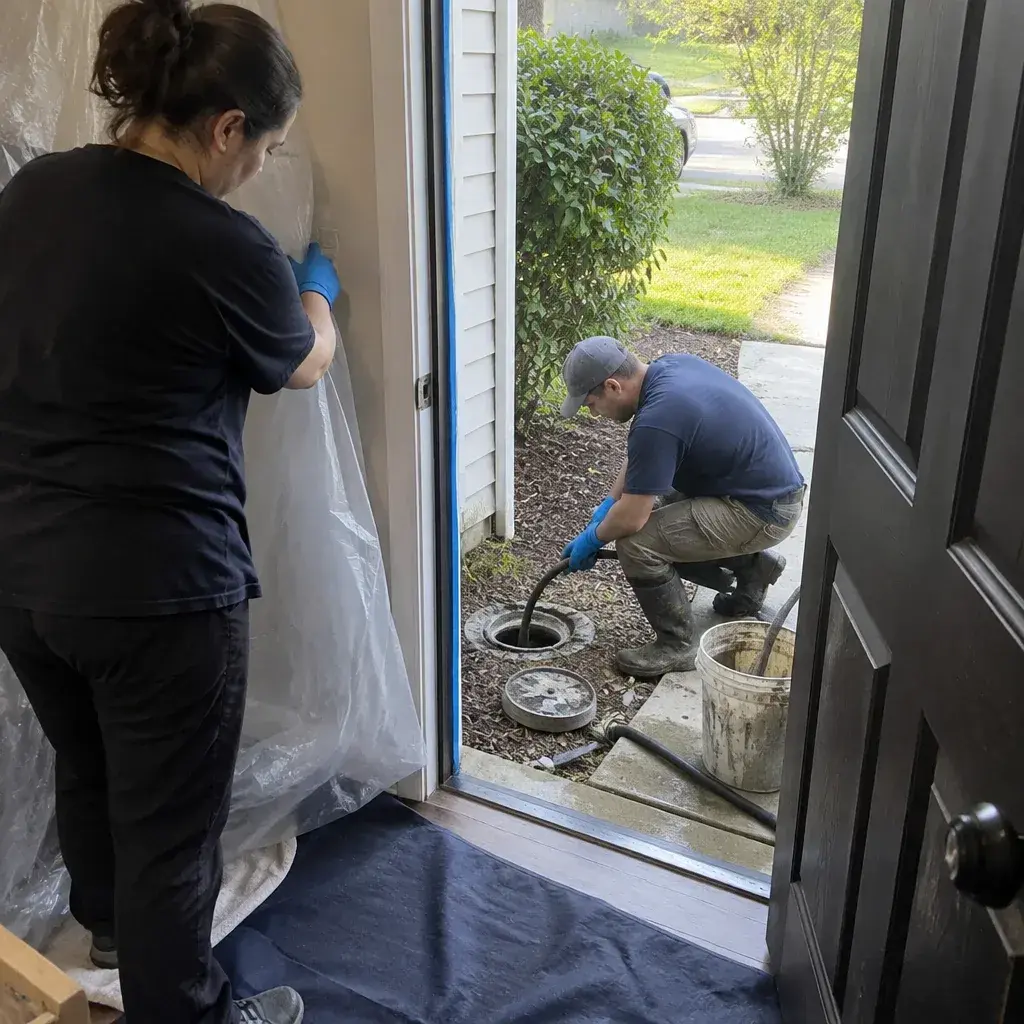
Assessment sets the first useful schedule checkpoint. The provider maps where sewage reached, checks affected materials, and identifies surfaces for cleaning or areas that need drying. Containment can keep the work zone separate while extraction removes sewage. At a home near Howarth Park, for example, a clear route to a single affected room may make the sequence easier to organize than a layout with several connected spaces. Your provider can describe the planned steps after assessing the building.
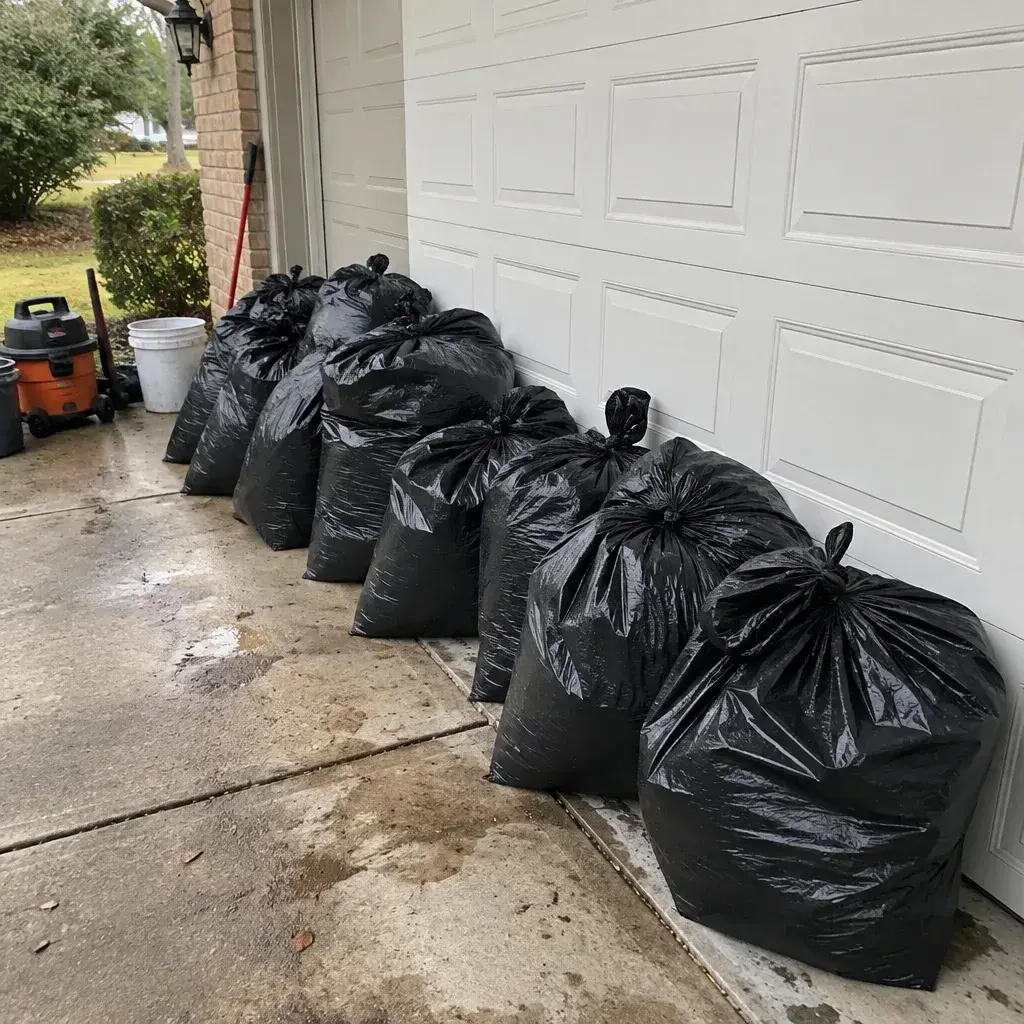
Removal decisions can add work between extraction and cleaning. If sewage reached absorbent materials, those items may need to come out; taking them away can expose surfaces that need their own treatment. In an Everett home, that might mean the schedule changes after a floor covering is lifted and the layer beneath is assessed. Ask what findings would alter the work plan, and whether the provider will update you when removal reveals another affected surface.
Surface Treatment and Odor Work
The assessment can show whether cleanup involves contents, building materials, or both, since absorbent materials may need removal before drying. At a home near Silver Lake, extraction and sorting affected materials come before cleaning and disinfection; a small commercial space near Langus Riverfront Park may involve more rooms or contents to address. Drying follows treatment, and absorbent building materials can add removal or drying work. Near Port Gardner Bay or Forest Park, ask the pros we connect you with: which stages apply, and what conditions could extend the schedule?
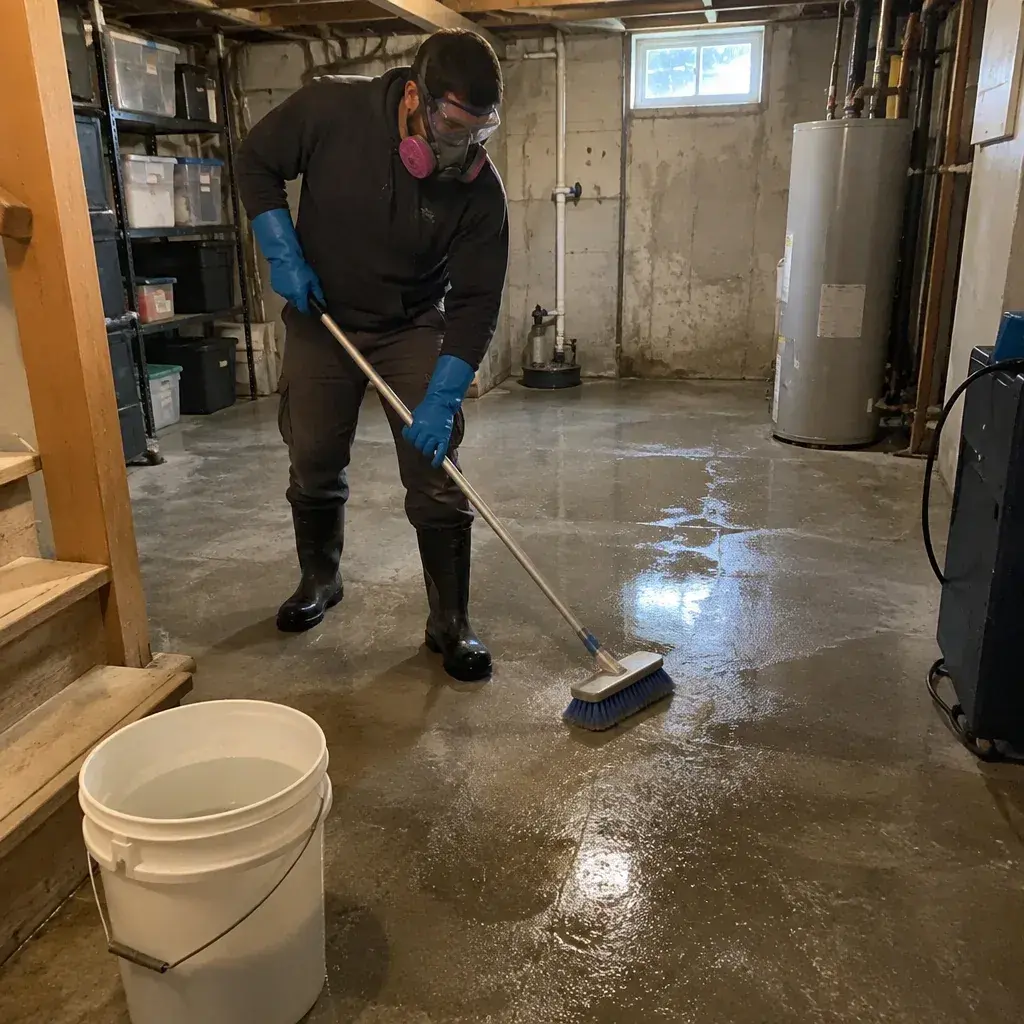
Odor treatment may be added after extraction and surface treatment if smells remain. It is a separate task from cleaning: the provider considers what is still contributing to odor and whether another treatment step is needed. That can change the sequence before drying is wrapped up. Checking for lingering odor after surface treatment helps show whether the affected area is ready to move into drying.
Structural Drying and Schedule Changes
Visible cleanup can finish before the structure is dry. Moisture may remain in building materials, so the pros we connect you with may use drying equipment and check affected areas as the process continues. The Everett schedule then depends on what needs drying and how conditions change during monitoring. Ask which materials will be checked, how progress will be recorded, and what signs the provider uses to decide that the drying stage is complete.
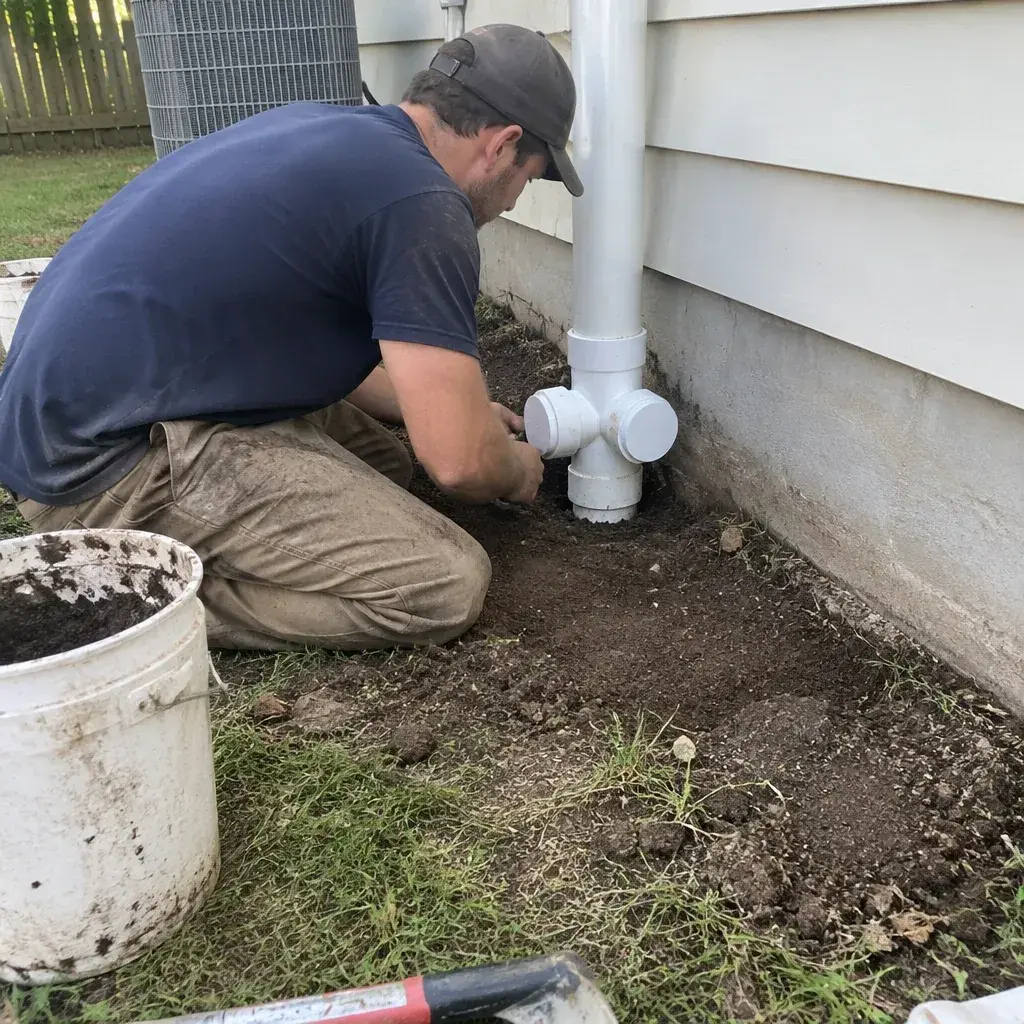
Several conditions can move the finish date: contamination in more than one area, porous materials requiring removal, or building components that need continued drying. A plumber may also need to diagnose or repair the backup source; that is separate from cleanup inside the structure and can affect how the work is coordinated. Before work begins in Everett, ask for the planned stages, likely schedule changes, and how the provider will keep you informed as findings emerge.
Dealing with a sewer backup in your home?
Cleanup cost in Everett depends on how far sewage traveled, what materials it reached, and which surfaces need cleaning, disinfection, or removal. Affected walls may require more work than a hard floor, and damp building materials need drying. From North Creek and Mill Creek to Scriber Lake Park, keep people and pets away and inspect only from a safe spot. Ask the pros we connect you with about cleanup scope, coverage, availability, timing, and visit charges. A plumber should diagnose and repair the backup source.