Restaurant Cleanup
Restaurant Sewage Cleanup
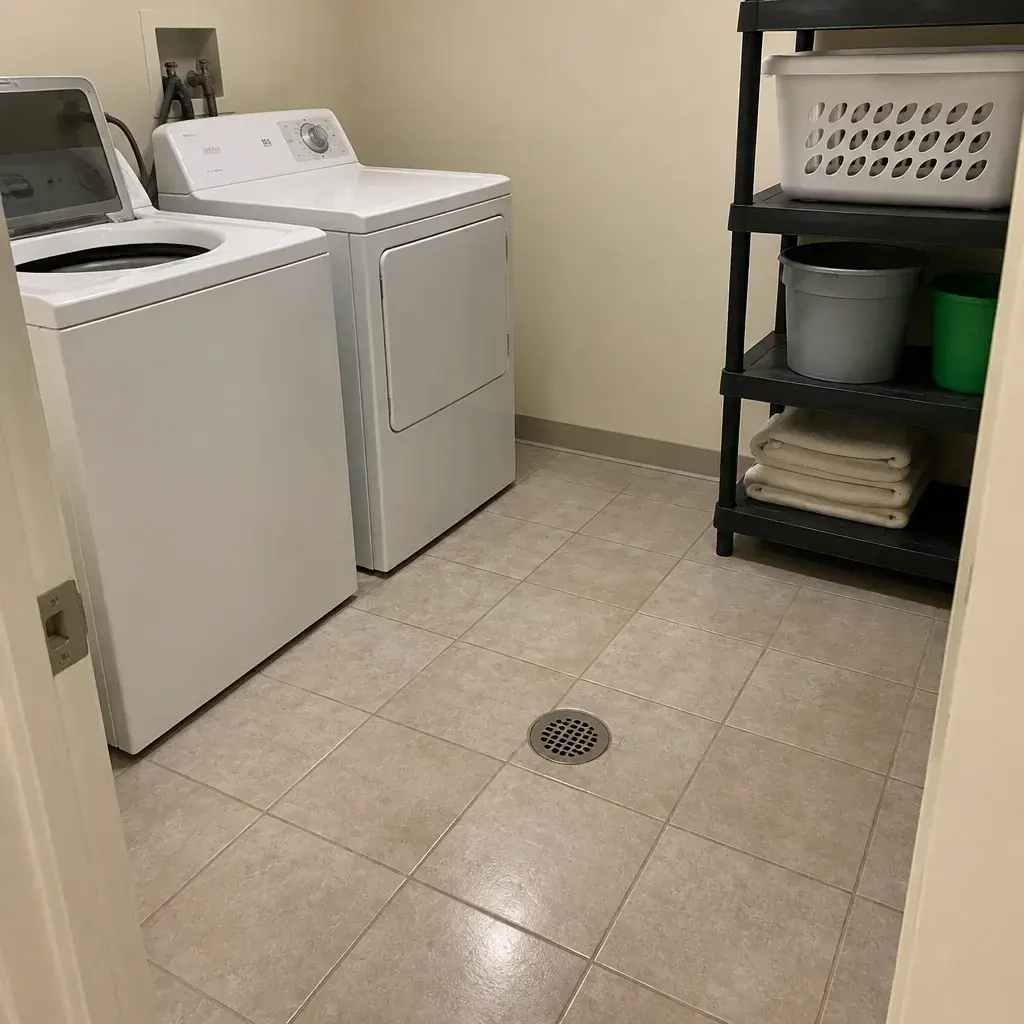
Plan office sewage cleanup around affected suites, tenant access, building operations, and records for facilities review.
A sewage incident can disrupt normal building use while cleanup and drying are underway. Building operations can coordinate access windows and alternate work areas with staff and tenants.
Commercial sewage cleanup cost is shaped by how many work areas are affected, what operations depend on them, and how much material needs treatment or removal. In an Everett office, a backup near shared workstations can interrupt more people than one in a rarely used room. Cleanup planning should connect the damage to the building’s daily use: identify which functions must move, what access can remain open, and where work can proceed safely. The pros we connect you with can use those details to plan the job with your facilities contact.
Start a site record with the building address, the reported backup point, and the rooms that may be affected. Add what you can observe, such as damp flooring, visible residue, or an odor, without entering a suspect area to investigate. Note which rooms support meetings, reception, or essential office work; that context helps facilities staff consider temporary arrangements. If several Everett properties are involved, give each one a distinct label so notes from one location do not get mixed with another.
An office sewer backup can put staff and visitors in contact with sewage or contaminated debris. Close the affected area and keep people out while it is being assessed and cleaned; do not send employees in to move furniture or retrieve supplies. In Everett, tell building staff which entrances or corridors are unavailable, and direct them to follow the site contact’s instructions. A clear boundary protects occupants and helps keep foot traffic from carrying contamination into rooms that were not affected.
Containment lets cleanup take place while other parts of the office may continue operating. The cleanup professional can plan barriers around the affected zone and coordinate a controlled route for equipment and removed material. You can help by identifying doors, elevators, and service access that must stay available to occupants or building staff. The route matters: moving through a shared lobby or occupied corridor may affect more of the workday, so discuss alternatives before the cleanup begins.
Choose a facilities contact to handle access decisions and share schedule changes with tenants and staff. Tell the pros we connect you with about building hours, security procedures, and any rooms that cannot be reached without an escort. The contact can gather questions and relay updates when an entry point or work area changes. In Everett, this coordination can help teams understand what is closed and where normal work can continue while cleanup is underway.
| Zone | Site notes | Operations |
|---|---|---|
| Site ID | Everett building, floor, and suite | Distinguishes this site from other facilities |
| Map cue | Japanese Gulch, Lighthouse Park, or Possession Sound, if relevant | Adds orientation without replacing the street address |
| Affected functions | Teams, meeting rooms, or shared services interrupted | Shows which work may need another location |
| Restricted access | Doors and routes closed during containment | Helps staff avoid the cleanup boundary |
| Moveable contents | Desks, files, or equipment in the work zone | Supports decisions about relocation or removal |
| Building dependencies | Restrooms, elevators, or services affected by access limits | Flags needs for facilities staff to coordinate |
| Work windows | Noisy or access-sensitive tasks and preferred timing | Helps plan around staff and tenant schedules |
| Site handoff | Open decisions, responsible contact, and next update | Keeps separate locations from sharing a status |
The assessment should connect each affected item with a practical next step. Carpet, ceiling tile, paper files, and other absorbent contents may hold contamination that surface treatment cannot reach; some may need to be removed. Other materials may be suitable for cleaning, while parts of the structure need drying after the wet work. Tell the cleanup professional which items are business records or equipment so you can discuss handling and access before removal disrupts staff or tenant operations.
Once sewage and materials that cannot be kept are cleared, affected surfaces can be cleaned and disinfected. The product label guides how a disinfectant is applied, what precautions matter, and how long the surface must remain wet. Keep the work zone closed during that process. Cleaning and disinfection address contamination on surfaces; they do not by themselves resolve moisture that has moved below flooring or into wall materials.
Drying follows the cleanup of sewage and affected surfaces. Equipment may occupy part of a room and produce noise, so ask how its placement will affect nearby desks, meeting rooms, or shared access. The pros we connect you with can assess which building materials need drying and explain what facilities staff should expect during that work. Odor treatment may also be part of the process after contaminated contents are removed and surfaces are cleaned.
When a backup affects several suites or buildings, use a separate record for each location and room. Everett facilities teams can include a property address, tenant or department name, and an internal room label to make updates easier to route. Nearby reference points such as Japanese Gulch, Big Gulch Park, and Langus Riverfront Park can help distinguish area references in internal coordination, but the address and room label should identify the work site. Keep the status for each space current as access changes.
Tenant area cleanup needs direct, useful notices. Tell occupants which doors are closed, what route remains open, and whom to contact about access or work arrangements. If a shared amenity or meeting room is affected, explain that it is unavailable without suggesting a reopening time before the cleanup professional has assessed the work. A short update from the facilities contact can reduce accidental entry and help tenants plan around the disruption.
Photos and written observations can help your facilities team document damage and support an insurance claim review. Capture affected materials and room conditions only when it is safe to do so, and note why an area or item could not be photographed. Keep the record focused on what was observed and what work followed; do not treat it as a promise that a policy will pay. Everett property teams can retain the documentation with the building’s incident records.
Make the file easy for another facilities lead to follow. Pair each room’s observations with its images, affected-material notes, access restrictions, and cleanup activity; include who recorded the information and when. If operations moved elsewhere, note which department or tenant space was affected and what arrangement changed. These details help compare the incident record with building needs later, without relying on memory or mixing evidence from separate rooms.
Office sewage cleanup addresses contamination and damage inside the building. It does not determine why the sewer backed up or repair the pipe; a plumber handles diagnosis and sewer-line work. Coordinate that follow-up with the cleanup schedule so access to the source does not conflict with containment or expose occupants to the work zone. If the property is in Everett, confirm the appropriate service contact for the building rather than assuming the ZIP code establishes who maintains its connection.
Before arranging office sewer backup cleanup, gather the affected-room list, access requirements, operating constraints, and any existing building plan that helps locate the spaces. Then ask the pros we connect you with how they would contain the work area, move equipment and debris, coordinate updates, and document each location. For an Everett office, this gives your facilities team a concrete basis for planning around staff and tenants while the cleanup addresses sewage, affected materials, and moisture.
Commercial sewage cleanup costs can rise when work must be staged around occupied suites, access keeps changing, or drying takes longer. In Everett, the sequence usually starts with an assessment and containment, followed by sewage removal, handling of materials that cannot be cleaned, surface cleaning and disinfection, odor treatment, and drying. You can help limit disruption by naming priority rooms, setting an access contact, and agreeing on work windows. Give the pros we connect you with the site address and entrance details; a route such as State Route 525 does not identify the right building door.
Cleanup may involve removing affected materials, disinfecting surfaces, and drying the structure; these communities indicate where that indoor work may be available, includingEverett, Snohomish and Lake Stevens. Ask whether the trip itself adds a charge, and check that the pros we connect you with accept work at your address.
Commercial sewer cleanup is commonly quoted per visit; the footprint and any return attendance shape scope. A compact office near Forest Park may differ from a customer-facing suite where sewage reached porous finishes. In Everett, $7,000–$14,000 is a guide; material removal and structural drying can move the estimate.For an Everett shop near North Creek, the affected footprint, equipment, and finishes determine the work list and price; a larger site can involve more rooms and surfaces. When calling, identify where sewage traveled, which materials were reached, what spaces must stay usable, and ask the pros we connect you with to spell out removal, cleaning, disinfection, and drying.The pricing guide tracks how material removal and drying affect the bill; the commercial overview describes coordination for commercial Sewer Backup Cleanup.
Restaurant Sewage Cleanup
Hotel Cleanup Planning
Retail sewage cleanup
Start by having building operations identify rooms that can close and spaces staff still need. The cleanup professional assesses the sewage, sets barriers, removes it, treats affected materials and surfaces, then dries the structure. You can coordinate a site contact, alternate work areas, and entry windows with tenants. Keep people out of the work zone until it has been assessed and cleaned; the safe reopening point depends on the conditions found.
Keep a dated record with the facility’s own suite and room names. Note when the incident was reported, which areas or contents were affected, access changes, occupant notices, assessment findings, and the cleanup and drying work performed. Add photos when safe and retain the professional’s written scope and updates. These records can help facilities staff review the interruption and support an insurance inquiry; coverage depends on the policy.
Keep a separate site file for each address, with its own floor plan, affected rooms, access instructions, and operations contact. If your portfolio includes Everett, Snohomish, and Mukilteo, do not combine their incident notes or assume the same sewer provider or backup source. Ask the cleanup professional to coordinate the scope and schedule for each property with its local building contact.
Coverage depends on the policy and the insurer’s review. Keep claim correspondence with dated photos, the affected-material inventory, and the cleanup professional’s scope and work records. Ask the insurer which documents it needs and whether any additional review is required; cleanup work does not establish that a loss will be covered.
Share the affected-room list, access limits, and operations schedule with the pros we connect you with to discuss containment and work coordination.
Call (425) 548-1770