Office Building Cleanup
Everett Facility Guide
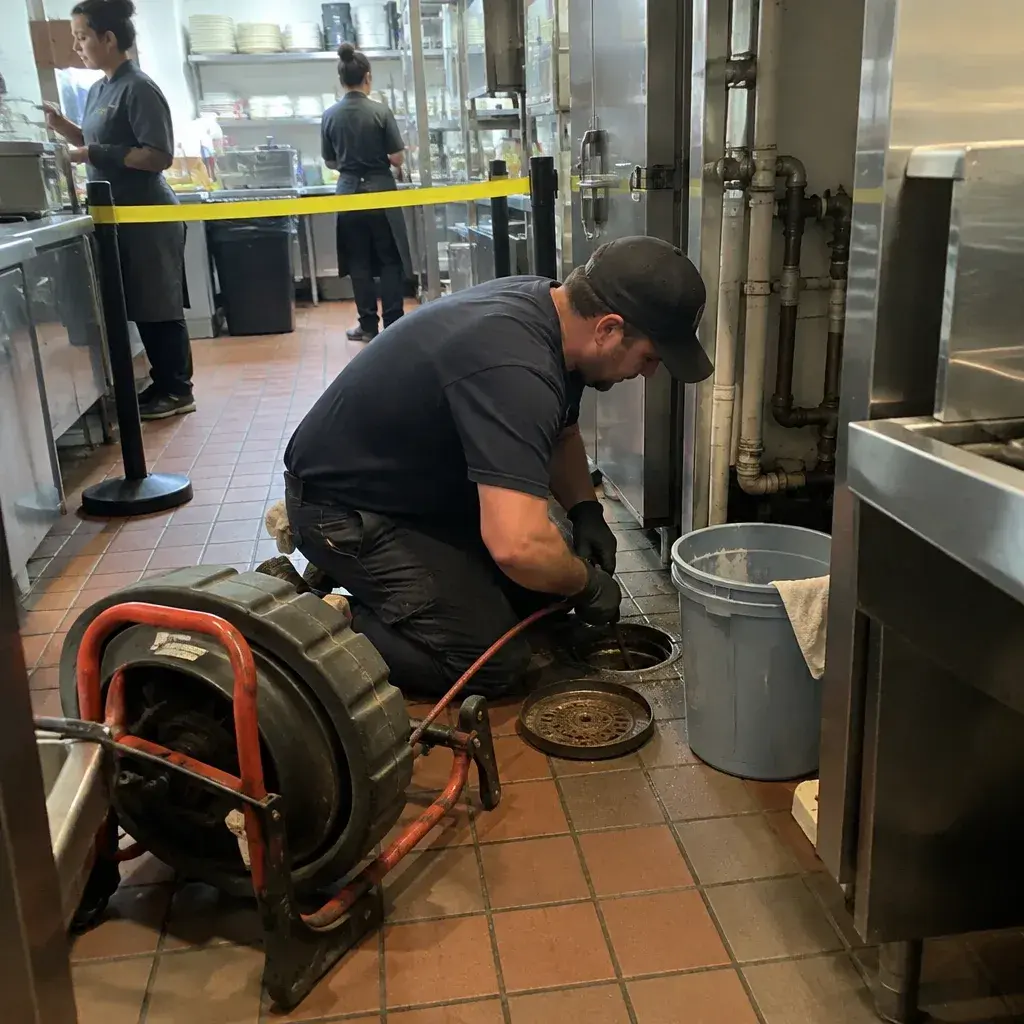
A restaurant backup can affect food, equipment, staff routes, and separate site plans across Everett.
Restaurant sewer backup cleanup separates the affected kitchen from food operations, assesses food and equipment, removes sewage and materials that cannot be cleaned, then treats surfaces and dries affected building materials. Keep people away and consult food safety guidance.
Commercial sewage cleanup costs shift with the number of affected restaurant locations, the materials involved, and how kitchen and service operations are disrupted at each address. For an Everett group, start with one scope format that records the conditions separately for every site. A commercial kitchen backup can affect different food handling areas at different locations, so a shared plan should set consistent questions for the pros we connect you with while preserving each restaurant’s findings. That gives you a useful view of restaurant sewage cleanup without assuming the damage is identical.
At each Everett address, map the route from the first reported backup to the spaces staff use for receiving, preparation, washing, storage, and service. A site sketch can show where doors, walls, and changes in flooring separate those functions, along with which routes staff can no longer use. If your location records use nearby references such as Forest Park or Howarth Park, include them to distinguish sites. The reference helps identify the restaurant; the assessment still needs to establish conditions inside that building.
Food and supplies need a location-by-location review. At each Everett restaurant, list what was exposed, where it was stored, whether packaging was open or damaged, and which items were moved before the area was closed. Keep food decisions distinct from the cleanup record, and consult the relevant food safety authority about requirements for affected stock. A common inventory format makes the group’s records easier to compare, while item-level notes preserve the facts needed to decide what can remain in use.
A disruption can look different across an Everett restaurant group: one address may lose a work area, while another may need to change how staff reach dishwashing or storage. Track each site’s unavailable functions and the time the change began, then note which work can continue in unaffected spaces. This gives managers a practical operating picture across locations. Keep the entries specific to each restaurant; a similar symptom does not establish that the same rooms, equipment, or food service tasks were affected.
For equipment at an Everett site, record its position and visible condition before anyone moves or powers it. Include fixed appliances, movable worktables, and items used in food preparation or washing, with a note about whether sewage reached them directly or nearby. The pros we connect you with can assess the affected items as part of the cleanup scope. A consistent record across addresses lets you spot where equipment needs separate attention without treating every restaurant’s setup as interchangeable.
| Kitchen Area | Observed Impact | Handling Plan |
|---|---|---|
| Location reference | Public green space can offer a calm break from busy daily routines. | Use landmarks for orientation; confirm each service address |
| Affected footprint | Rooms, drains, and connected kitchen areas at each site | Record boundaries separately before extraction begins |
| Food stock | Ingredients, packaging, and stored goods within affected areas | Set aside handling questions for food safety review |
| Service interruption | Fixed appliances and movable kitchen units | Assess contamination reach and cleaning suitability item by item |
| Surface treatment | Floors, counters, drains, and lower wall surfaces | Clean and disinfect affected surfaces before drying |
| Material condition | Absorbent finishes and contents reached by sewage | Removal depends on material and contamination extent |
| Moisture check | Damp flooring, wall bases, and cabinet interiors | Track drying progress and remaining wet areas per address |
| Service planning | Kitchen functions affected at each restaurant | Coordinate work around unavailable areas across locations |
The assessment at each Everett restaurant sorts building materials by how they respond to contamination. Hard surfaces may be candidates for cleaning and disinfection, while absorbent materials reached by sewage can require removal because residue may remain within them. Record the material, its location, and the proposed action for each address. The sequence matters: remove materials that cannot be adequately cleaned, clean and disinfect affected surfaces, then dry the parts of the structure that retain moisture.
Set boundaries that keep the Everett cleanup work apart from food handling and staff routes still in use. The layout will shape how the pros we connect you with contain the area, move equipment and debris, and limit access while work proceeds. Keep people away from sewage-affected spaces until they have been assessed and cleaned. For a group with several restaurants, record how each site’s boundary is marked and maintained so managers can coordinate access without assuming one location’s setup fits another.
Use one dated log format for the Everett locations, with a separate record for each restaurant. Note what staff observed, when access changed, who made the operational decision, and what the cleanup assessment found. Add calls and guidance from the relevant food safety authority where they affect that site’s handling of food or service. A shared structure makes the records easier to review as a group; the address-specific entries keep the sequence and decisions tied to the right kitchen.
Food service cleanup in Everett involves decisions that sit alongside physical cleaning: what food, utensils, or supplies were exposed, and what requirements apply to those items. Ask the relevant food safety authority about the affected restaurant’s circumstances, and keep its guidance with that location’s record. The pros we connect you with can explain the cleanup findings for the site, while food safety decisions should reflect the authority’s direction. Avoid carrying an answer from one address across the group without checking its conditions.
While an Everett kitchen is being assessed, managers can coordinate staffing, deliveries, and menu changes across the group. Record which tasks moved to another location, who approved the change, and what staff were told about access to the affected area. A restaurant elsewhere in the group may have different equipment or capacity, so document what it actually takes on. This operating record connects cleanup progress with day-to-day decisions without treating a temporary workaround as evidence that a site is ready to resume every function.
For each Everett address, photograph affected rooms and materials when it is safe, then match images to a dated item list. Include enough context to identify the restaurant and the room, and note when cleanup actions begin so later records can be read in order. These materials can help document damage for an insurance claim; coverage depends on the policy. Keep copies in the group’s central file while retaining the original site details, so one restaurant’s images are not mistaken for another’s.
Once Everett cleanup work is complete, review the site records together to improve coordination if another restaurant is affected. Compare how managers identified the right contact, restricted access, arranged the assessment, and shared updates with staff. References such as Langus Riverfront Park or Silver Lake may help distinguish locations in internal records, but they do not explain what happened inside a building. Keep the useful process notes for the group and preserve each restaurant’s findings separately.
For an Everett restaurant group, the scope should show why each address needs particular work: which spaces were affected, what materials require removal, what surfaces need cleaning and disinfection, and how much equipment or structure is involved. Ask the pros we connect you with to describe their findings site by site, using a format managers can review across the group. The combined scope can support planning, but the conditions at one kitchen should not be used as a shortcut for estimating another.
After sewage and contaminated materials are removed from an Everett restaurant, affected building materials need drying, and odor treatment may be part of the work. Ask for the areas assessed and any follow-up identified for each address, then keep those notes with that location’s cleanup record. The cleanup scope addresses contamination and damage inside the restaurant. Diagnosing or repairing the source of a backup is plumbing work and may require a plumber, with coordination recorded separately for each site.
Commercial sewage cleanup cost depends on how much of each restaurant is affected, which materials can be cleaned, and how access affects the work. For a group of Everett locations, compare scopes address by address; a north-end combined sewer area and a south-end separated area do not establish what caused a backup at a particular site. Keep each location’s notes distinct, whether a site is identified near Langus Riverfront Park, Silver Lake, or the Snohomish Historic District. That makes operational decisions easier to track without assuming every kitchen has the same damage.
Cleanup may involve removing affected materials, disinfecting surfaces, and drying the structure; these communities indicate where that indoor work may be available, includingLake Stevens, Mukilteo and Everett. Near the edge of a service zone, confirm reach and any mileage or inspection fee with the pros we connect you with.
Commercial sewer cleanup is commonly quoted per visit; the footprint and any return attendance shape scope. A compact office near Forest Park may differ from a customer-facing suite where sewage reached porous finishes. In Everett, $7,000–$14,000 is a guide; material removal and structural drying can move the estimate.For an Everett shop near North Creek, the affected footprint, equipment, and finishes determine the work list and price; a larger site can involve more rooms and surfaces. When calling, identify where sewage traveled, which materials were reached, what spaces must stay usable, and ask the pros we connect you with to spell out removal, cleaning, disinfection, and drying.The pricing guide tracks how material removal and drying affect the bill; the commercial overview describes coordination for commercial Sewer Backup Cleanup.
Everett Facility Guide
Retail sewage cleanup
Hotel Cleanup Planning
Restaurant sewage cleanup starts with an assessment of the kitchen and connected spaces, followed by sewage removal and decisions about affected materials. The work can include taking out items that cannot be cleaned, treating salvageable surfaces with an appropriate disinfectant, addressing odor, and drying damp building materials. Keep staff and customers out of the affected zone while it is assessed. A plumber handles diagnosis or repair of the sewer line if needed.
Hold food, packaging, utensils, and equipment from use until their exposure is reviewed. Food safety guidance should inform decisions about food and food contact items. Equipment decisions depend on its construction and which parts sewage reached; smooth surfaces and sealed components may be assessed differently from absorbent or hard-to-reach parts. Keep the items identified by location so the decision applies to the right kitchen or storage area.
Keep a separate file for each Everett address, with a dated sequence of decisions and work. Include the affected rooms, items taken out of service, materials removed, cleaning and disinfection completed, and drying observations. Attach images that show context as well as close detail, and note who approved food or equipment decisions. These records help managers compare sites and review the work later.
List which kitchen tasks and routes are unavailable, then coordinate the work schedule and staff access with the cleanup professional. A manager can identify operations that must pause and areas that need to stay clear while work proceeds. If several Everett locations are affected, give each one its own access plan so a change at one address does not confuse staff at another.
Keep staff out of affected zones, check applicable food safety guidance, and discuss the address-specific work plan with the pros we connect you with.
Call (425) 548-1770