Hotel Cleanup
Hotel Cleanup Planning
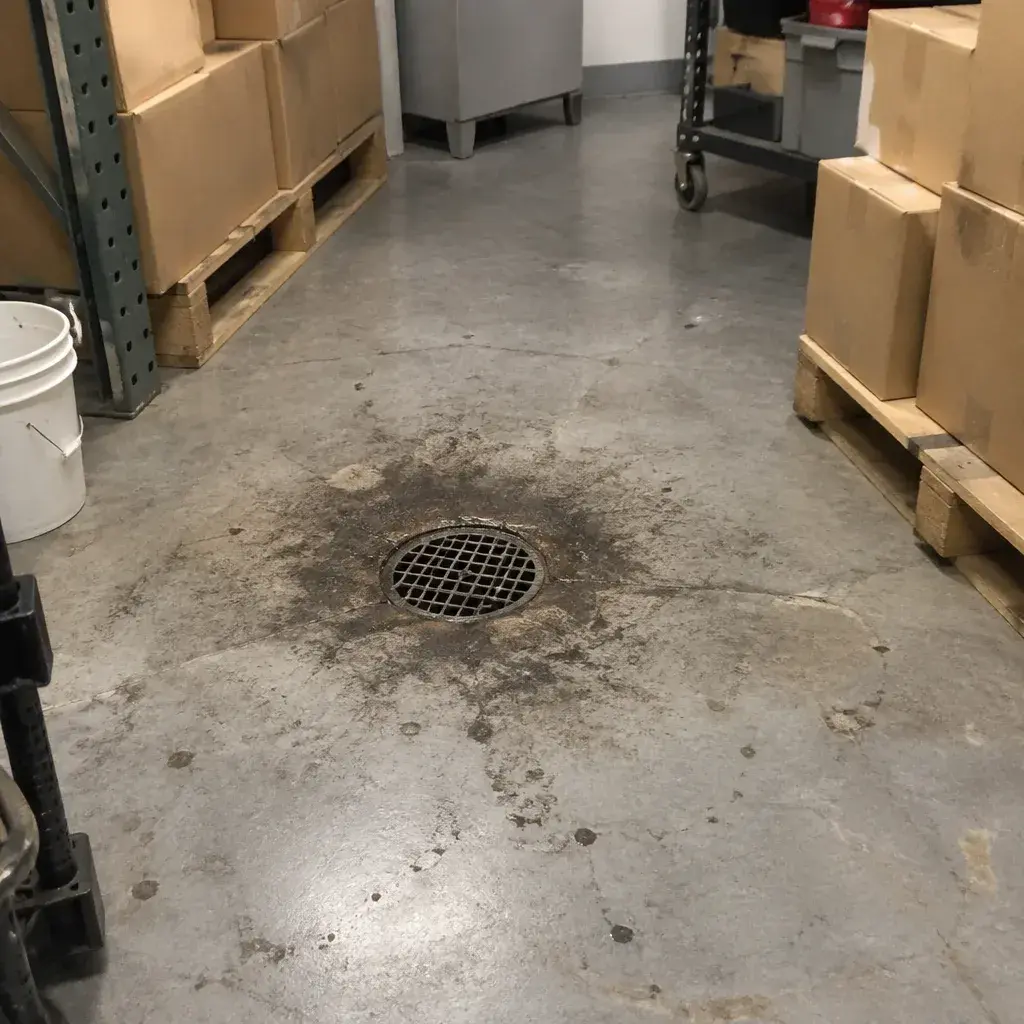
In Everett, store sewer backup cleanup separates contaminated sales areas from public routes; stockroom findings show what cleaning can preserve and what must go.
Retail sewage cleanup separates the affected work zone from public areas, assesses exposed stock and building materials, and records decisions. Crews remove sewage, clean and disinfect suitable surfaces, and dry affected materials. Store access, lease terms, insurer requests, and applicable local requirements shape coordination.
Commercial sewage cleanup costs turn on the size of the affected space, the materials involved, and how store access can be arranged. A small spill beside a register can affect nearby flooring and fixtures; sewage reaching a stockroom or merchandise may expand the work. In Everett, map sales, storage, and receiving areas before requesting an assessment. Include delivery access and any shared building space so the pros we connect you with can explain how they would contain and document the work.
A wet patch may not show the full extent of a store sewer backup. Note dampness, staining, and odor by aisle or room, then identify where floor coverings meet walls, counters, or storage fixtures. Keep shoppers and staff out of suspect areas while the condition is assessed. Mark the store’s exact address and affected zone on a floor plan; a reference such as Howarth Park can help orient a map, but it cannot define the work area.
Treat products and their packaging as separate assessment questions. In Everett, record which items were directly touched by sewage, which were stored nearby, and whether cartons or containers are wet or damaged. The material and its condition help determine whether it can be cleaned or should be discarded. Do not return questionable stock to shelves while the area is being assessed. Keep an item list tied to locations so later decisions can be checked against the cleanup record.
Containment helps keep contaminated water and debris from reaching open aisles or clean rooms. Ask how workers will enter, where removed material will pass, and how the boundary will stay in place while the store is occupied. Sewage can carry harmful contaminants, so customers and staff should stay clear of affected space. If the store shares a building, coordinate the boundary and access plan with the property manager before work begins.
Cleanup timing can affect receiving, staffing, and sales. Tell the pros we connect you with when deliveries arrive, which doors must remain usable, and whether another part of the store can handle essential transactions. In Everett, include the manager who can approve closures and communicate changes to staff. A clear schedule lets the cleanup plan account for store operations without allowing customers or employees into areas that have not been cleared for access.
| Cost driver | Retail effect | Rule to check |
|---|---|---|
| Site identification | Branch address and useful locator | Examples: Possession Sound, Lighthouse Park, Japanese Gulch |
| Lease terms | Clauses on cleanup approval and repairs | Get the property manager’s direction in writing |
| Insurer instructions | Notice, photos, and damaged-stock records | Ask what evidence to keep before disposal |
| Sewer provider | Agency serving the store’s address | Confirm the reporting path; ZIP alone may not identify it |
| City requirements | Everett’s designated-connection device rule | Check whether it applies and who maintains the device |
| Work scope | Zones contained, cleaned, or cleared of stock | Keep the scope aligned with store and lease responsibilities |
| Cleanup decisions | Materials removed and surfaces disinfected | Record the reason and affected area for each action |
| Reopening conditions | Insurer, property manager, and local guidance | Confirm any conditions before returning staff or shoppers |
Stockroom cleanup calls for an inventory-aware plan. Shelving, stacked cartons, and equipment can limit access to floors and walls, so identify aisles, storage bays, and receiving routes before contents are moved. Note which items are damaged and where they were kept. If a store is near Forest Park, that landmark may help someone find the address, but the site plan should still show the precise entrance and affected storage zones.
Keep a dated record of decisions as the work progresses: when staff restricted access, when the assessment occurred, and when each area changed status. Everett store managers can use one shared log for updates from the cleanup professional, property contact, and plumber. This gives the lease contact and insurer a clear sequence to review. Record who made each operational decision and retain copies with the store’s incident file.
On the sales floor, make the closure easy to understand and maintain. Show the blocked aisles, nearby fixtures, and any alternate route employees need to reach an unaffected department. Update signs and the floor plan if the assessed boundary changes. For an Everett shop, proximity to Silver Lake does not tell customers or staff which part of the building is closed; a clear in-store boundary does. Keep access controlled until the area has been assessed and cleaned.
Everett publishes information about combined sewer overflow monitoring, including that such events occur most often from October through May. That public information does not establish what caused a particular store backup or which party must address it. For a location near Forest Park or elsewhere in the city, confirm the applicable sewer provider and reporting process by address, then keep any utility guidance with the site record. Do not infer responsibility from a seasonal notice.
Give one store contact responsibility for collecting updates and sharing approved decisions. That person can track notices to the landlord, insurer, cleanup professional, and plumber without treating those roles as interchangeable. A plumber investigates and repairs the backup source; cleanup work addresses contamination inside the store. In Everett, keep messages and instructions in the same incident file, especially when a shared building or multiple departments must coordinate access.
Build the damage record while areas are still visible. Take dated photos of affected flooring, fixtures, stock, and the boundary, then attach an itemized list and notes about what was removed, cleaned, disinfected, or dried. Keep copies of the assessment and work updates. These materials can help you explain the loss to an insurer, though they do not establish that a policy will cover it. Match each record to a store area or merchandise entry.
Check the lease and insurance instructions before discarding damaged merchandise or authorizing work beyond urgent containment. They may specify who must receive notice, what documentation to provide, or whether an inspection is needed before items are removed. In Everett, save the relevant messages and note when each contact was made. Ask the landlord, insurer, or their representative what they need; cleanup professionals cannot decide what your agreement or policy requires.
The cleanup plan should describe the work sequence for this store: remove sewage, take out porous materials that cannot be adequately cleaned, wash and disinfect affected surfaces, address odor if needed, and dry building materials. Product directions govern disinfectant use, including stated contact and safety instructions. Ask which areas and materials each step covers, and how progress will be recorded. That detail makes it easier to compare the completed work with the original assessment.
Before reopening an affected section, ask for its final status and the basis for that decision. The record should say which surfaces were cleaned and disinfected, which materials were removed, and whether drying is complete. In Everett, keep this closeout with the store’s lease, insurance, and incident records. If the source still needs attention, coordinate separately with a plumber; cleanup addresses the indoor damage, while plumbing work diagnoses or repairs the line.
In Everett, commercial sewage cleanup cost changes with the affected footprint, materials, merchandise exposure, and the hours available for work. Before crews start, check the lease for notice or access terms and ask the insurer what records it needs; neither document guarantees payment. Water can reach stored goods beyond the visible floor area, so include nearby stock in the damage review. A site map may use Langus Riverfront Park, the Snohomish River, or Port Gardner Bay as orientation references; none establishes the sewer provider or backup cause.
A sewage backup can leave residue on floors and belongings, affecting more surfaces than the standing water shows.Mukilteo, Everett and Snohomish. Ask whether the trip itself adds a charge, and check that the pros we connect you with accept work at your address.
For a business near Japanese Gulch Creek, estimates often start with each visit, then account for affected area and repeat checks. Contaminated debris handling can add a separate step after affected materials are removed. Everett guide: $7,000–$14,000; drying needs affect the final quote.For an Everett shop near North Creek, the affected footprint, equipment, and finishes determine the work list and price; a larger site can involve more rooms and surfaces. When calling, identify where sewage traveled, which materials were reached, what spaces must stay usable, and ask the pros we connect you with to spell out removal, cleaning, disinfection, and drying.The pricing guide tracks how material removal and drying affect the bill; the commercial overview describes coordination for commercial Sewer Backup Cleanup.
Hotel Cleanup Planning
Everett Facility Guide
Restaurant Sewage Cleanup
Keep one incident file for the Everett store with the address, time discovered, photographs, affected departments, and a dated sequence of actions. Save notices to the landlord, insurer communications, cleanup notes, and decisions about merchandise. Ask the insurer and property manager which records they require; their requirements may differ. Everett's designated-connection backwater-device rule may also matter, so retain any property records that clarify whether the connection is covered and who handles device maintenance.
Have the cleanup professional assess each affected item by its material, packaging, and contact with sewage. A washable, sealed surface may be treated differently from absorbent goods or cartons. Record the item's location and the assessment outcome before deciding whether it can remain in saleable stock. Follow applicable product and insurer requirements for handling or disposal, and keep the decision with the incident file.
Give the property manager and cleanup professional the store's operating hours, delivery schedule, and any lease rules for access or notice. They can use that information to plan entry, isolate the work zone, and reduce conflicts with customers and receiving. Assign one staff contact to relay changes, and keep employees from routing goods or shoppers through the affected space while it is being assessed.
Review the lease for landlord notice and access terms, then ask the insurer what evidence and approvals it expects. Requirements depend on the agreement, policy, and property. Everett's backwater-device rule applies to designated connections; verify the property's status and maintenance responsibility with the appropriate records or utility. Keep these checks separate from the cleanup record, which should describe the observed damage and work performed.
Map affected departments, review lease and insurer requirements, and ask the cleanup professional how access limits and stock decisions will be recorded.
Call (425) 548-1770